
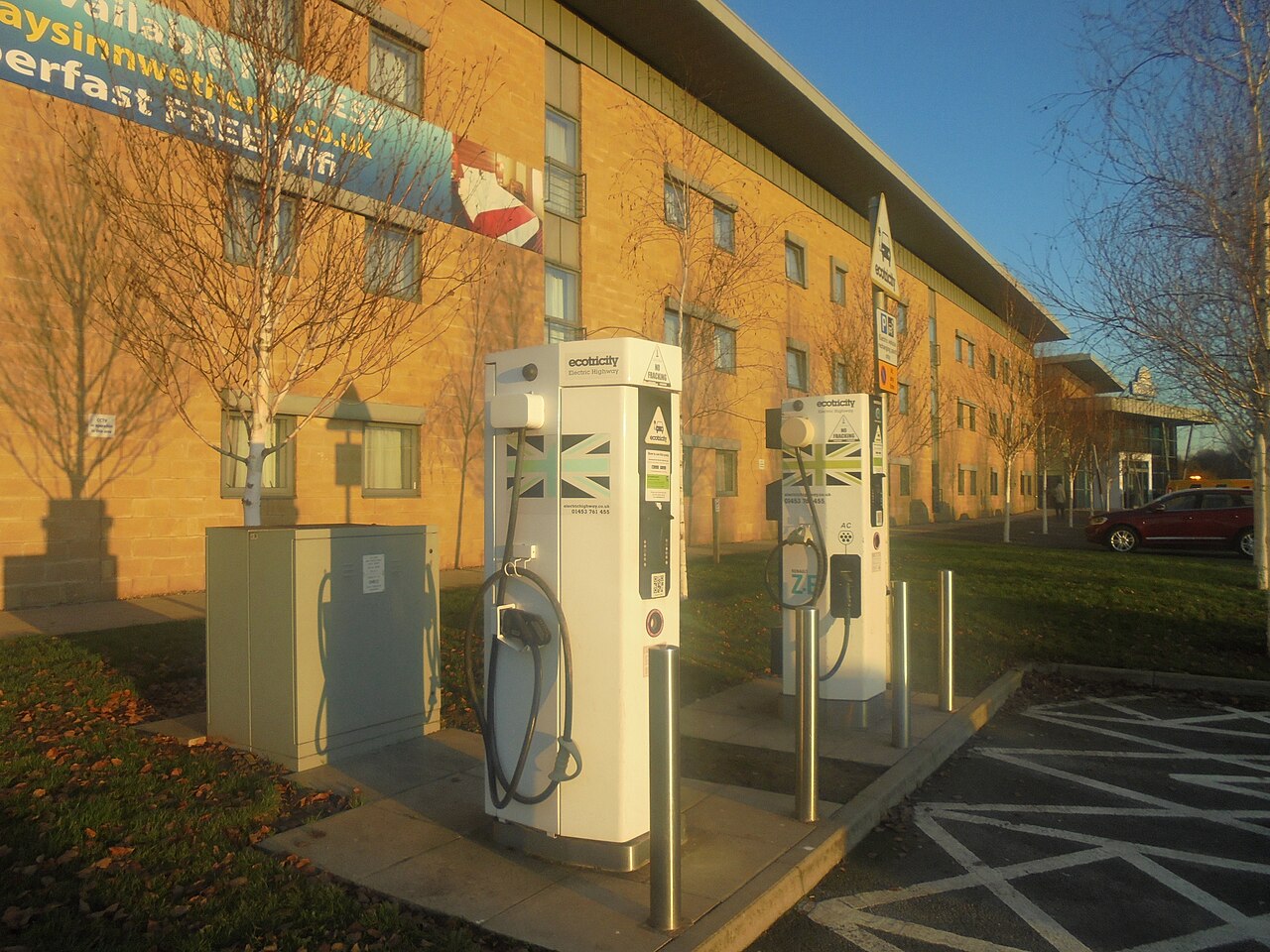
The UK government plans to spend £100 million over two years to lower what drivers pay at local, lower-powered public chargers, the kind usually found on residential streets. HM Treasury announced the measure in the Budget published on 28 October 2026. The money starts in spring 2027. The Treasury puts the average saving at about £150 a year for drivers who rely on these chargers.
This is an announcement, not a running program. The Treasury says the Department for Transport (DfT) "will set out more details in due course." That means it has not yet said how the money will reach drivers: through charge point operators, local authorities, a per-session discount or some other route. Until DfT publishes those details, there is no confirmed per-kWh price change, list of eligible chargers or start date beyond "spring 2027."
The numbers in the announcement
The Treasury's figures, all as stated in its 28 October 2026 release:
- £100M over two years, from spring 2027, aimed at lower-powered public chargers near homes.
- These chargers make up around a third of the current UK charging network.
- About £150 a year is the average saving for drivers who depend on them.
- Over 124,000 public charge points in the UK, up 7.4% year on year (Treasury count, as of the 28 October 2026 release).
- EV sales are up 36% on last year, according to the Treasury.
- £600M is already committed to support charger rollout. That includes £480M for the Local EV Infrastructure fund. This is existing funding, separate from the new £100M.
- The Electric Car Grant has helped over 190,000 drivers, with up to £3,750 off a new EV.
The Treasury did not say how it reached the £150 figure, and it did not give a target price per kWh. The £150 is an average across drivers who rely on these chargers. Someone who charges on-street every week could get a different amount from someone who does it now and then.
Why lower-powered chargers
The measure follows an independent review of public charging prices that was announced in Budget 2025. Wales247, reporting on 29 October 2026, summarised what the review found. Since 2021, average charging prices in real terms rose 69% at lower-powered chargers and 94% at higher-powered chargers such as those at motorway services or electric forecourts. The Treasury and Wales247 also say around a third of UK households lack off-street parking or a driveway.
The Treasury frames the targeting around drivers without cheaper charging at home, who rely on local chargers. The sources describe the £100M as covering lower-powered chargers, not higher-powered ones, even though the review found prices at higher-powered chargers rose faster.
Tariff porting: an idea under study
The second part of the announcement is about process. The Treasury says it will take forward the review's recommendation to launch a "tariff porting" taskforce led by industry experts. It will explore allowing drivers to use their cheaper domestic energy tariff at certain public chargers.
The Treasury describes this as something the taskforce will explore. It is not a decision. The sources give no timetable, do not say which chargers might be included, and do not explain how billing would work between energy suppliers and charge point operators.
What It Means for Drivers
If you charge on residential streets: You are the group this measure is aimed at. From spring 2027, the government says it will provide funding to cut charging costs at local lower-powered public chargers, saving about £150 a year on average according to the Treasury. The funding does not start before then, and the exact discount depends on details DfT has not yet published.
If you mostly use rapid chargers: According to Autotrader UK's Budget guide, the measure will not help drivers who regularly use expensive rapid chargers on longer motorway journeys. As announced, the £100M is aimed at lower-powered chargers.
If you charge at home: Autotrader reports that the Government has pledged to extend a cut in VAT on domestic electricity, from 5% to zero, until July 2027, which it says cuts bills by up to £50. VAT on public charging remains at 20%, so public charging still carries a higher VAT rate than home electricity under these figures.
Looking further ahead: Autotrader notes that the saving will not offset the upcoming electric vehicle excise duty (eVED) pay-per-mile charge. That charge is 3p per mile for EVs and 1.5p per mile for plug-in hybrids from April 2028. Driving 10,000 miles a year in an EV would mean £300 a year at the 3p rate. That is twice the Treasury's average charging saving of about £150, though the two apply to different groups of drivers and start at different times.
Timeline, as the sources state it:
- Spring 2027: the £100M, two-year funding for lower-powered public chargers begins (per HM Treasury). DfT has not yet set out how it will be delivered.
- Until July 2027: the pledged zero rate of VAT on domestic electricity (per Autotrader).
- April 2028: eVED pay-per-mile charges begin (per Autotrader).
- No date set: the tariff porting taskforce's work and any decision that follows.
What's still unknown
Several practical questions remain open until DfT publishes its details:
- The mechanism. The sources do not say whether the money will go to operators, councils or drivers, or work as a price cap or discount.
- Eligibility. "Lower-powered" and "near homes" have no published technical definition in the sources. It is unclear which chargers count or whether every operator will take part.
- What happens after two years. The funding runs for two years from spring 2027. The sources do not say what happens after that.
- The per-kWh effect. The Treasury did not give a target price, so drivers cannot yet compare the new prices with today's.
For now, the facts are a funding amount, a start season, a target segment covering about a third of the network, and an average saving estimate. ChargerFeed will report the delivery details when DfT publishes them.
