
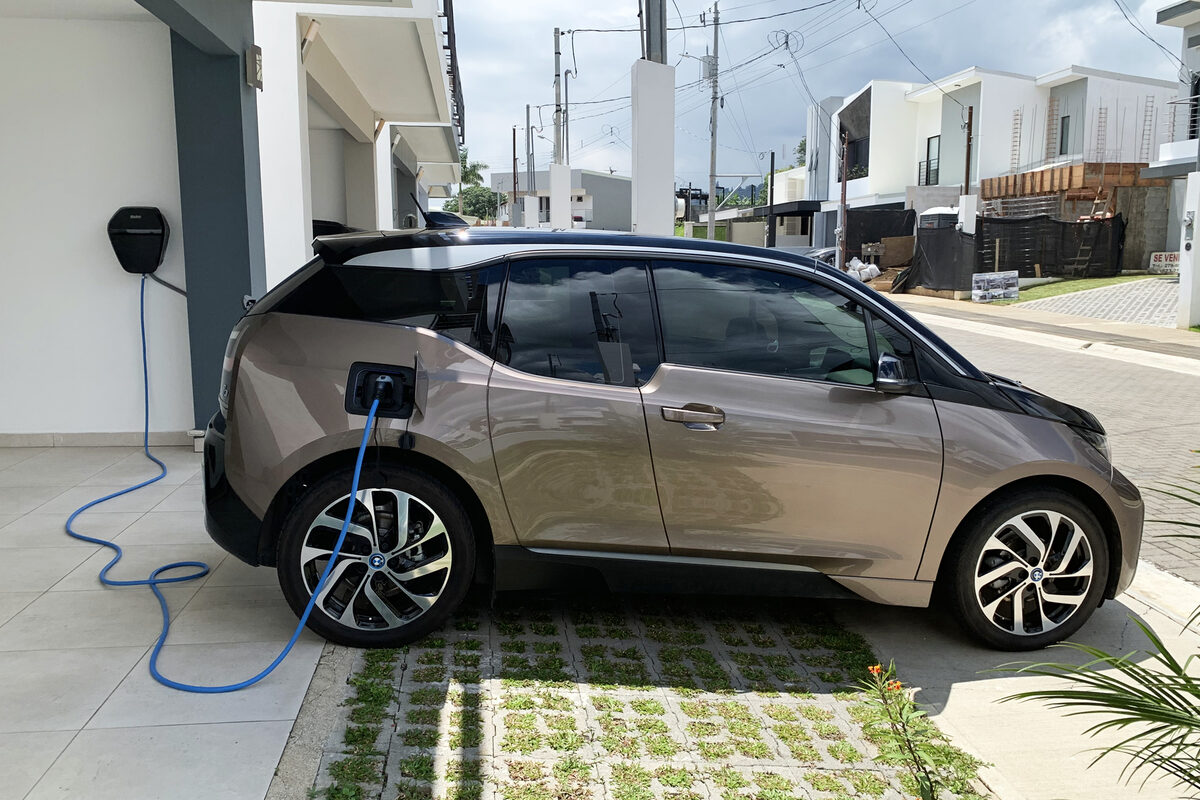
Duke Energy Florida said on Oct. 13, 2026 that enrolled customers in its Off-Peak Charging Credit program have collectively received $1.5 million in bill credits since the program launched in 2022. The program is open now to all Duke Energy Florida residential customers: those who charge an electric vehicle on a Level 2 charger during the utility's designated off-peak hours earn a $7.50 credit on their monthly electric bill, according to the utility's Oct. 13 release. Up to two EVs can be enrolled per account.
The announcement, headlined "Plug in, get paid," reports results from a program that has been running since 2022; the $7.50 monthly credit is the same amount Duke cited when it expanded the program in March 2025. "We’re always looking for ways to help our customers save money," Melissa Seixas, Duke Energy Florida state president, said in the release. She described participation for EV drivers as "a simple, almost effortless way" to lower monthly bills.
From pilot to permanent program
The credit did not begin as an open-ended offer. In a March 18, 2025 release issued from St. Petersburg, Duke described the Off-Peak Charging Credit as a former pilot that had reached its threshold of 3,000 active participants and built up a waitlist. With that release, the utility made the program permanent and removed the enrollment limit.
The same March 2025 announcement introduced two companion programs aimed at different stages of electrification, one for customers preparing their electrical service for a charger and one for business fleet operators.
| Program | Who it is for | What it provides |
|---|---|---|
| Off-Peak Charging Credit | Residential customers charging on Level 2, up to two EVs per account | Monthly bill credit for off-peak charging; enrollment limit removed in March 2025 |
| Charger Prep Credit | Residential and business customers preparing for a Level 2 or higher charger | One-time credit toward new plug-in outlets, wiring improvements and other electrical upgrades; charging station hardware, software and permit fees excluded |
| Fleet Advisory Program | Businesses with 20 or more light-duty, five or more medium/heavy-duty, or a combined 10 or more vehicles | Up to $12,000 toward the cost of a fleet electrification study |
Of the three, only the off-peak credit is the subject of the October update. The $1.5 million is a cumulative total across all enrolled customers since the 2022 launch, a period that includes the pilot phase that ended when the enrollment limit was lifted in March 2025.
How the credit is structured
The program pays a flat $7.50 monthly bill credit rather than a per-kilowatt-hour discount, earned by charging on a Level 2 charger during the off-peak windows. The off-peak schedule includes a weekday daytime block as well as an overnight one:
- Monday through Friday, 10 a.m. to 6 p.m.
- Monday through Friday, 11 p.m. to 5 a.m.
- Any time on weekends and holidays
That leaves two weekday windows outside the schedule: 5 a.m. to 10 a.m. and 6 p.m. to 11 p.m.
Florida's EV context
Duke's release cites U.S. Department of Energy data placing Florida second in the nation for EV registrations. The Alternative Fuels Data Center counts 254,878 all-electric light-duty vehicles registered in Florida as of Dec. 31, 2023, behind California's 1,256,646 and ahead of Texas at 230,125. The AFDC figures were derived by the National Laboratory of the Rockies from Experian Information Solutions data and cover all-electric light-duty vehicles only, not plug-in hybrids. Because they are statewide, they describe the broader Florida market rather than the pool of Duke Energy Florida customers eligible for this credit.
What It Means for Drivers
Who qualifies. The credit is open to Duke Energy Florida residential customers who charge on a Level 2 charger. Customers of other Florida utilities are not covered by this program. Households with more than one EV can enroll up to two vehicles on a single account.
Timing is the main behavior change. Charging has to fall inside the off-peak windows to earn the credit. A driver who plugs in after work on a weekday can use the vehicle's or charger's scheduled-charging setting to hold the session until 11 p.m., or charge midday if the car is parked at home between 10 a.m. and 6 p.m. Weekend and holiday charging counts at any hour.
No waitlist. The 3,000-participant cap that once produced a waitlist was lifted in March 2025, so eligible customers can sign up directly. Enrollment and program terms, including how charging is verified and when credits appear on a bill, are on Duke's program page at duke-energy.com/OffPeak. Program terms can change, so confirm the current credit amount there when enrolling.
Households without Level 2 yet can look at the separate Charger Prep Credit, which applies toward outlets, wiring and other electrical upgrades for a Level 2 or higher charger but not toward the charger hardware, software or permit fees. Confirm the current credit amount with the utility before budgeting around it. Any Level 2 installation should be done by a licensed electrician following the charger manufacturer's instructions and local code.
Sources
- Duke Energy: "Plug in, get paid: Duke Energy Florida program offers bill credits for customers charging EVs at certain times" (Oct. 13, 2026)
- Duke Energy: "New Duke Energy programs offer Florida customers more choices related to electric vehicles" (March 18, 2025)
- U.S. DOE Alternative Fuels Data Center: Electric Vehicle Registrations by State
- Duke Energy Florida: Off-Peak Charging Credit program page
