
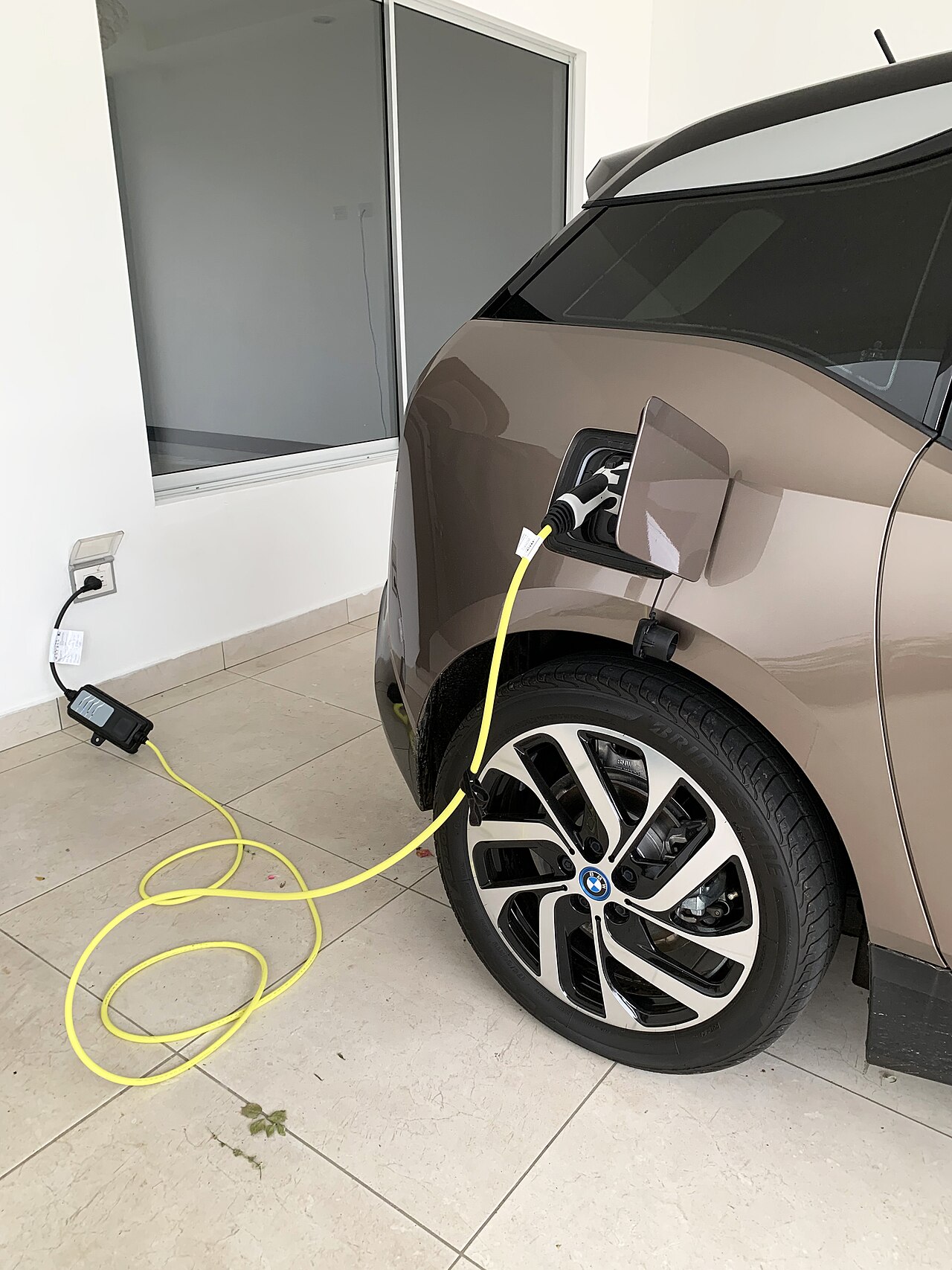
From Oct. 21, 2026, households in England no longer need to apply for planning permission to set up cross-pavement EV charging, where a cable runs from the house, under or across the pavement, to a car parked at the kerb. The UK government announced the change on Oct. 21 and says it saves drivers up to £300 on installation.
Several conditions still apply. According to Selectra's reading of the underlying legislation, the new right does not apply in conservation areas or to listed buildings or scheduled monuments. The local council also keeps the final say on whether a cable can cross the pavement at all. The change applies to England only.
This explainer sets out what changed, where the stated savings come from, and what is still undecided.
What exactly changed?
Selectra reports that the change comes from a statutory instrument laid before Parliament on Sept. 30, 2026. It changes "permitted development" rights, the category of minor works that can go ahead without a full planning application.
Before the change, Selectra says, a wall-mounted charger counted as permitted development only within an area lawfully used for off-street parking. In practice that meant a driveway or similar space. Households that park on the street were not covered, so anyone wanting to charge a kerbside car from their home supply had to apply for planning permission.
Under the new rules, as Selectra describes them, the right extends to other parts of the grounds of a house or a block of flats, and it includes free-standing charging posts as well as wall-mounted units. A separate right covers a pavement cable gully, which is a channel set into the footway that carries the cable from the property to the kerb. That right applies only if the gully is installed by the highway authority, for it, or with its authorisation.
How much does it save, and on what?
The two sources give slightly different figures:
- Up to £300 on installation, the headline figure in the government's Oct. 21, 2026 announcement.
- Up to £250 in application fees, the government figure Selectra reports when describing the statutory instrument.
Neither source explains how the two figures relate. Selectra attributes the lower one specifically to planning application fees, while the government release describes the higher one as a saving on installation. In both cases these are government estimates of the maximum saving. They are not quotes for any particular installation. Hardware, electrical work and any fees the highway authority charges for a gully are separate costs, and neither source puts a figure on them.
The government's announcement also makes claims about running costs. It says the change opens up home charging for "as little as 2p per mile" and that cross-pavement charging helps residents access savings of up to £1,750 on running costs. Both are government figures from the Oct. 21, 2026 release. The release does not set out the tariff, vehicle efficiency or mileage behind them, and real costs will depend on a household's electricity tariff and how much it drives.
What It Means for Drivers
The change matters most for people in England who own or occupy a house, or live in a block of flats, without off-street parking and who want to charge a car parked at the kerb outside. According to the sources:
- When: The change takes effect Oct. 21, 2026. Planning permission is no longer needed for qualifying cross-pavement charging set-ups from that date.
- Where it applies: England only. Selectra reports that the right covers the grounds of a house or a block of flats, not just areas already used for off-street parking, and that it includes free-standing posts.
- Where it does not apply: Conservation areas, listed buildings and scheduled monuments, according to Selectra. Households in those places still need to go through the usual consent routes.
- The pavement itself: Removing the planning requirement does not give anyone the right to put a cable across a public footway. Selectra says the council still decides whether a cable can cross the pavement, and any cable gully must be installed by the highway authority or with its authorisation. Highways News quotes EVA England chief executive Vicky Edmonds saying it is now up to local authorities and landlords to make these solutions easier to access in practice.
- Tenants and leaseholders: The planning change does not address landlord or freeholder consent. The government has opened a separate consultation on EV charging access for tenants and leaseholders (see below).
Drivers considering a set-up like this should check first with their local council and highway authority about whether a pavement crossing is allowed and how it would be provided. The charger itself, and any connection to the home supply, should be installed by a qualified, registered electrician following the manufacturer's instructions. ChargerFeed does not give wiring or installation guidance.
Who is this aimed at?
Highways News quotes a figure from EVA England, the drivers' association: its research found that 60% of petrol and diesel drivers without off-street parking would never consider an EV. The government's announcement includes comment from EVA England's Vicky Edmonds, roads minister Simon Lightwood and Dickson Abegunde of the property portal Zoopla.
The government also gives market figures with its announcement. It says UK electric car sales in September 2026 rose 36% year on year, to nearly 100,000 in the month, and that the Electric Car Grant has helped more than 190,000 drivers save up to £3,750 as of the Oct. 21, 2026 release. Both figures come from the government and are not independently verified here.
Public charging hubs
The same package changes permitted development rules for public infrastructure. The government says the changes make it quicker and cheaper for charge point operators to install larger, higher-powered public charging hubs. The announcement does not say how many hubs it expects or put a timeline on any specific project. This is a change to the planning framework. It is not funding and it does not commit to any particular site.
What is still open: two consultations
The government has opened two consultations, both asking for responses by Dec. 16, 2026:
- Building regulations for EV charging infrastructure. The government's release says building regulations could be updated so that charge points are installed in new and refurbished covered car parks.
- EV charging access for tenants and leaseholders. This covers people who do not control the property where they live or park. The government says it is considering mandatory requirements for landlords and freeholders to make it harder to refuse renters' applications.
Both are at the proposal stage. Nothing in them is decided yet, and any resulting rules would come later.
The bottom line
The planning change is in force from Oct. 21, 2026 and removes one fee and one approval step for a specific type of home charging in England. It does not remove the council's control over the pavement, it excludes heritage-protected properties, and it leaves landlord and leaseholder access to a consultation that closes Dec. 16. For a kerbside charging household outside a conservation area, the practical next step is still a conversation with the local highway authority.
Sources
- GOV.UK: Drivers to save up to £300 when installing EV chargers at home, as government slashes unnecessary red tape (Oct. 21, 2026)
- Highways News: Home EV charging: Drivers to save up to £300 as government slashes 'unnecessary' red tape (Oct. 21, 2026)
- Selectra: No-driveway EV charging: planning permission scrapped from 21 October, but not in conservation areas
