
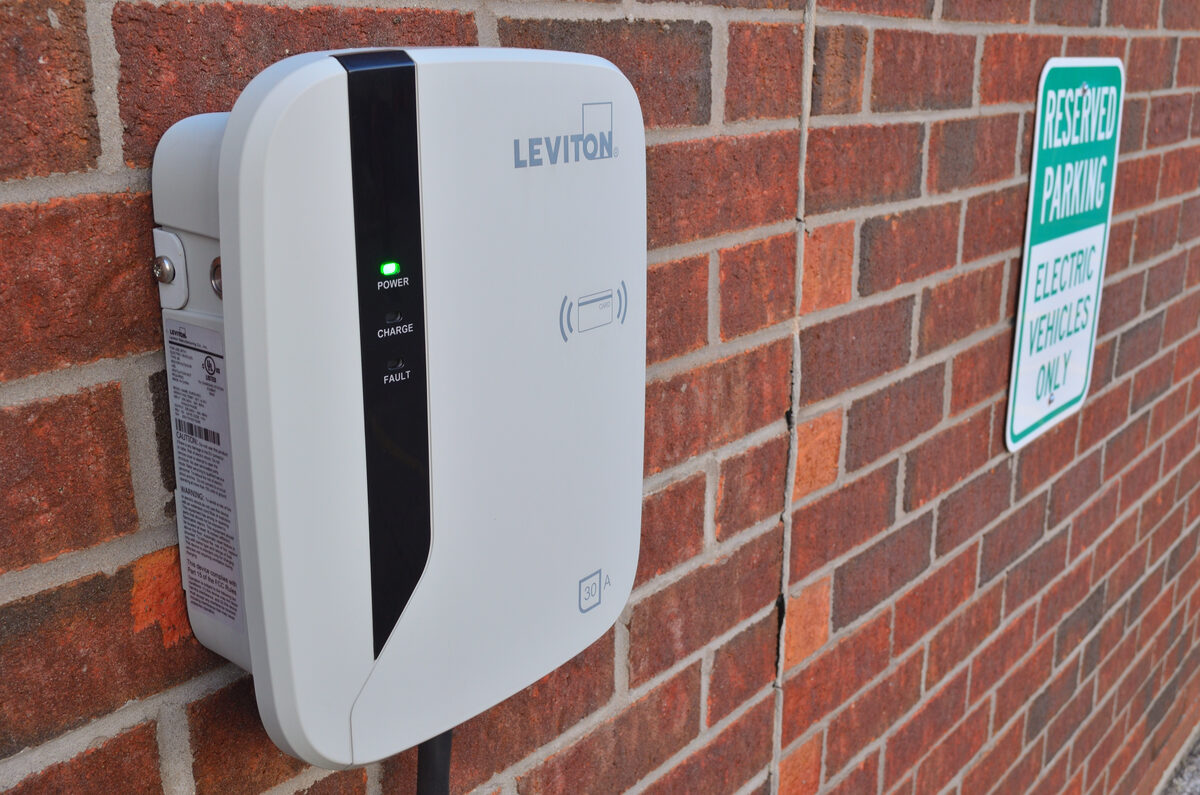
Members of two North Carolina electric cooperatives can now earn incentives for shifting when their EVs charge. On Oct. 20, 2026, software company WeaveGrid announced EVConnectNC, a managed-charging program developed in partnership with North Carolina's Electric Cooperatives that uses connected vehicle and charger data to encourage members to charge during lower-cost periods. The program is already live at Roanoke Electric Cooperative and South River EMC, with members enrolled and incentives being paid out, according to the announcement issued from Raleigh and San Francisco.
The headline figure is an incentive of up to $120 a year. It is a ceiling tied to meeting the program's charging requirements, not a guaranteed payment.
How the program works
The co-ops' EVConnectNC program page describes it as an EV telematics charging program offered by participating cooperatives. It uses connected-vehicle data to understand charging behavior and encourage charging during periods of lower system cost. Members who meet program requirements receive incentives for charging within prescribed periods.
To earn the full incentive, the release says a member must meet two requirements:
- Charge at least 90% off-peak.
- Use a minimum of 200 kWh per month.
Drivers retain full control of their vehicle and can charge whenever they need to, according to the release, though charging outside the off-peak window may affect that month's incentive. Enrolled members also get access to charging insights and usage analytics.
The release argues that because EVs and chargers typically stay plugged in far longer than needed to reach a full charge, moving that load to off-peak hours has little impact on a driver's routine.
Which vehicles and chargers qualify
Eligibility runs through either the car or the home charger. The release lists two paths:
| Eligibility path | Eligible brands |
|---|---|
| Vehicle | Alfa Romeo, Dodge, Jeep, Lexus, Tesla, Toyota |
| Home charger | ChargePoint, Emporia, Wallbox |
The release says eligible vehicles "include" the six makes listed. Members who already own one of the three listed home-charger brands do not need to purchase new charging equipment to take part.
Who is behind it
North Carolina's Electric Cooperatives is the family of organizations formed to support the state's 26 community-based electric cooperatives, which together serve more than 2.8 million North Carolinians. The cooperatives and their member utilities run EVConnectNC, while WeaveGrid provides the underlying software platform. The program page ties EVConnectNC to the co-ops' Brighter Future Vision.
"This program gives EV-driving members a simple way to save on charging costs while helping cooperatives manage energy use more efficiently, supporting affordability and reliability for all members," Nikki Lynberg, Manager of Innovation and Business Development for North Carolina's Electric Cooperatives, said in the release.
Apoorv Bhargava, CEO and Co-Founder of WeaveGrid, said cooperatives represent more than 40 million Americans and called them "a significant, largely untapped opportunity for managed charging programs going forward." He added that the partnership "shows that managed charging isn't just a tool for large investor-owned utilities."
The rollout covers two of the state's 26 co-ops. The program page's co-op selector lists Roanoke and South River EMC.
The registration numbers behind the launch
The release frames the program against North Carolina Department of Transportation data showing EV registrations up 570% between May 2021 and May 2026, and 581 EVs per 10,000 residents, a rate it says is second nationally only to New Hampshire. That growth, it says, is arriving at cooperatives serving much of the state's rural and suburban communities, where unmanaged charging can add new demand to local infrastructure.
NCDOT publishes monthly county-level registration files on its ZEV Registration Data page, with June 2026 the most recent month listed. The agency says a new tracking method eliminates duplicate records and excludes vehicles with plates recently removed from circulation, and it cautions users of data published before May 2025 about the change. The May 2021 starting point of the five-year growth figure falls before that switch.
Beyond member incentives, the cooperatives get ongoing visibility into how EV charging affects their systems, which the release says they can use to manage grid impacts, control costs and plan for future demand.
What It Means for Drivers
- Enrollment runs through your co-op. Only Roanoke Electric Cooperative and South River EMC members have a sign-up path today; the program page's co-op selector is the starting point.
- Confirm your exact model. Owning a listed brand of car or home charger is a possible way in, but check your specific vehicle or charger during enrollment.
- Get your co-op's off-peak hours first. The program measures charging against prescribed periods, so the hours your co-op sets determine whether your normal routine already fits.
- Check your typical monthly usage. Members who do most of their charging away from home should compare their home kWh with the program's monthly minimum before counting on the full payment.
- Adding a charger is a separate project. Anyone installing a home charger for other reasons should have a licensed electrician do the work, following the manufacturer's instructions and local code.
