
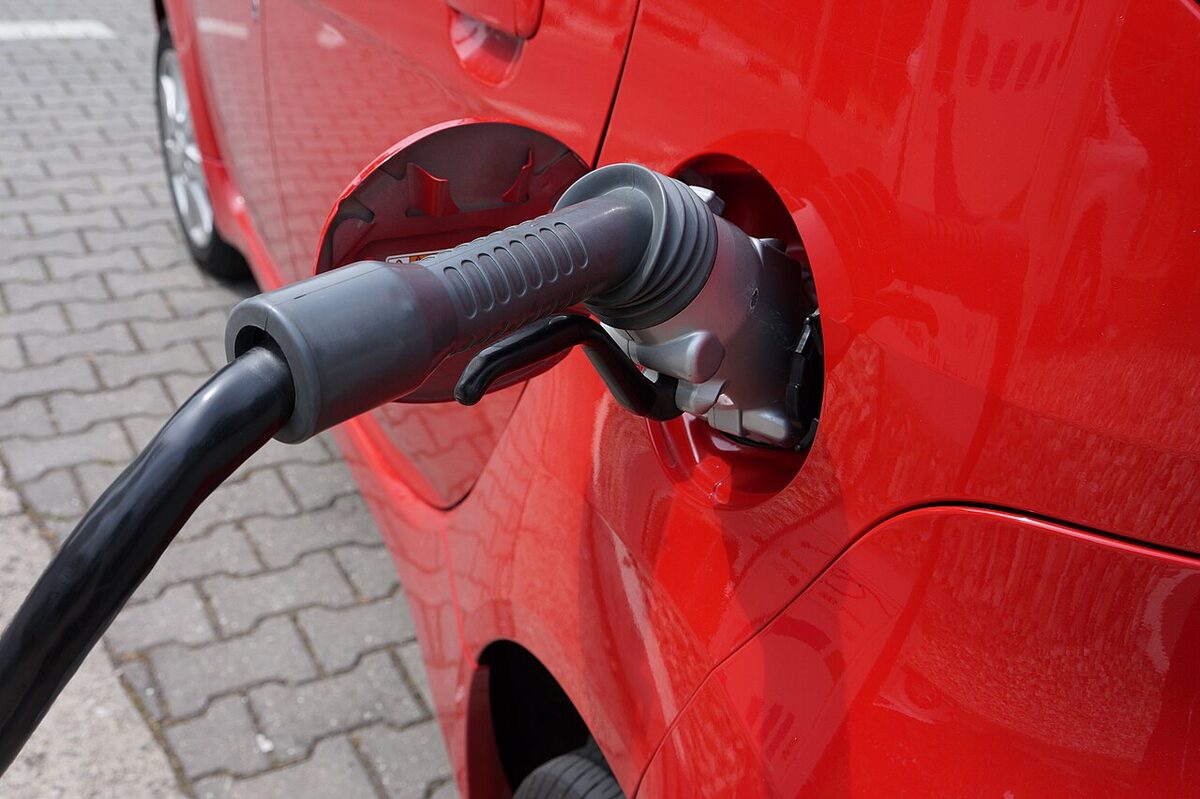
The Ohio Department of Transportation (ODOT) has picked 40 more locations for fast-charging stations under the federal National Electric Vehicle Infrastructure (NEVI) program. The new round pairs $31 million in federal NEVI funds with $10 million from private developers, for a total of $41 million. That is according to ODOT's Nov. 19, 2026 announcement as published by Richland Source. ChargerFeed could not load the release on ODOT's own website, so the details below come from that local-news copy of the release text.
The selected developers are 7-Eleven, Big Energy Enterprises, EVunited, Heartland Charging Services, Love's, R&S Project Group, Red E Charging, Tesla and Universal EV. Every new site must have at least four fast-charging ports, and each port must deliver at least 150 kW. Those figures are the federal floor for a NEVI corridor station, so this announcement shows what the program's standards look like when they turn into actual sites.
The numbers at a glance
- New sites selected: 40 (announced Nov. 19, 2026)
- Funding: $31 million federal NEVI + $10 million private match = $41 million
- Minimum hardware per site: 4 fast-charging ports at 150 kW or more per port
- Timeline: construction expected to start in 2027; ODOT says many sites should open by the end of 2027
- Ohio NEVI pipeline, as of Nov. 19, 2026: 120 stations in development, of which 99 are in design, 2 are under construction and 19 are open
- Use so far: more than 77,000 charging uses at Ohio NEVI stations since the program began
Where the "four ports, 150 kW" rule comes from
ODOT's per-site requirement comes from federal rules. 23 CFR Part 680 sets the minimum standards for chargers built with NEVI money. For direct-current fast-charging (DCFC) stations along designated corridors, the rule requires:
- At least four network-connected DCFC ports that can charge four EVs at the same time.
- A continuous rating of at least 150 kW per port. Stations may share power between ports, but each port must continue to meet an EV's request for power up to 150 kW.
- Connector standards. The rule requires each port to be able to charge any CCS-compliant vehicle, so the Combined Charging System (CCS) connector is the one the program builds around.
- Uptime and data obligations. Operators must track how often each port is available and report data on every charging session, including outage duration, energy delivered in kWh, peak power in kW and payment method.
Because of the power-sharing clause, "150 kW per port" is a per-vehicle promise. In principle, a driver who pulls up next to three cars already charging should still have 150 kW available, up to whatever their own car can accept. Many vehicles cannot charge at that rate, so the actual speed depends on the car and its battery state.
The reporting rules mean that once these sites open, there will be data on how reliable they are and how much they are used. The 77,000-use figure ODOT cites for its existing stations is the kind of number that per-session reporting makes possible.
Who is building them
The developer list is a mix of convenience-store and travel-center chains (7-Eleven, Love's), a vehicle maker's charging network (Tesla) and charging-focused companies (EVunited, Heartland Charging Services, Red E Charging, Universal EV, Big Energy Enterprises, R&S Project Group). The private share works out to about a quarter of the round's total: $10 million of $41 million.
Some names repeat from Ohio's previous round. In April 2026, Electrek reported that Ohio had awarded $51 million in federal NEVI funds for 64 sites, with more than $26 million in developer match. That round's developers included Aldi, bp, Francis Energy, Heartland, Love's, Mid Cour, Pilot, Red E, Sheetz, Tesla and United Dairy Farmers. At the time, 19 Ohio NEVI stations were online and 12 more were expected. Ohio opened its first NEVI station in late 2023.
The open-station count was 19 in both April and November, according to these two reports. Most of Ohio's 120-station NEVI pipeline is still on paper: 99 sites are in design, and only two are under construction.
Sites named so far
The published release text did not include the full list of 40 sites. Richland Source named five in Ashland and Richland counties:
- 1011 Sugarbush Dr., Ashland
- 1330 N. Lexington Springmill Rd., Ontario
- 191 Mansfield Ave., Shelby
- 327 W. Main St., Loudonville
- 838 Ohio 97 West, Bellville
These are selected locations, not operating chargers. Under ODOT's stated timeline, construction begins in 2027.
The demand side
ODOT gives these registration figures for Ohio: nearly 143,000 registered EVs, including 20,500 newly registered in 2026. Electric vehicles account for approximately 3.6% of vehicles registered in the state this year, according to the release. ODOT Director Pamela Boratyn is quoted in the release on the expansion.
What It Means for Drivers
Nothing changes at the plug yet. The 40 sites announced on Nov. 19, 2026 are selected and funded, not built. ODOT expects construction to start in 2027 and says many sites should open by the end of 2027. Until then, Ohio's operating NEVI network is the 19 open stations the state counts as of this announcement.
When the sites open, the minimums are set. Each one must have at least four fast-charging ports that can serve four vehicles at once, and each port must be rated for 150 kW continuous. With power sharing, a busy station still has to give each car up to 150 kW when it requests it. Your car's own charging limits still apply.
Reliability will be measured. Federal rules require operators to track port uptime and report session-level data, including outages, energy delivered, peak power and payment method. That gives regulators and the public a record of how these sites perform.
Pricing has not been announced. Neither source gives per-kWh or per-minute prices for the new sites. Expect each operator to set its own rates when a site opens.
For site hosts and installers: NEVI sites are high-power commercial installations. Any electrical work must be done by a licensed electrician following the equipment manufacturer's instructions and local code.
