
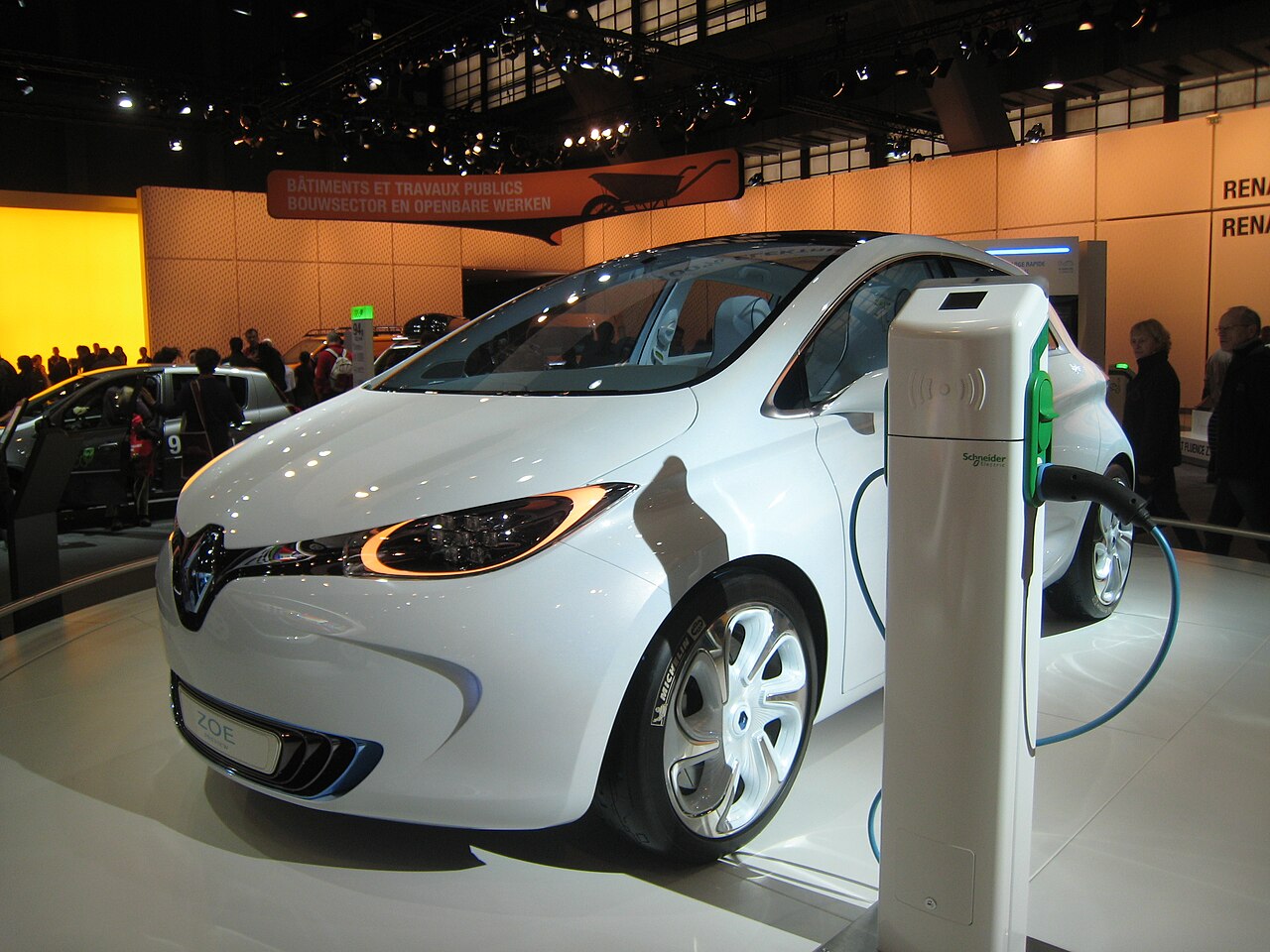
European Union negotiators reached a provisional agreement early on Wednesday, Nov. 18, 2026, on a directive that sets maximum permitting times for electricity grids, clean energy projects, energy storage and EV recharging stations. The European Parliament and the Council, represented by the Irish Presidency, agreed the text. It is the permitting part of the European Grids Package, which the European Commission proposed on Dec. 10, 2025.
For charging, the reported deal changes three things. Stand-alone recharging stations get a maximum permit deadline of six months. The capacity threshold above which permits are required for small solar, storage and recharging projects rises from 100 kW to 200 kW. And recharging stations installed on artificial structures with a total capacity of 1 MW or less would need no administrative permit.
The deal is provisional, not law. The details below come from the agreed headline terms as reported on Nov. 18. The full legal text was not in the material we reviewed.
The numbers at a glance
According to the European Parliament's Nov. 18 press release (read via a wire reprint) and a separate EUbusiness report, the deal sets these maximum timelines:
- Solar equipment and co-located storage (excluding hydrogen): permit decision within 3 months.
- Stand-alone storage and recharging stations: within 6 months.
- Pumped hydro: within 2 years.
- Grid connection: 3 months, extendable to 6 months if duly justified, with a derogation for isolated or small connected systems.
The deal also sets these thresholds:
- Permit threshold for small solar, storage and recharging stations: the capacity above which permits are required rises from 100 kW to 200 kW.
- Recharging stations on artificial structures: no administrative permit at a total installed capacity of 1 MW or less.
- Benefit-sharing threshold (the size at which projects must share benefits with local communities): lowered from 10 MW to 7 MW. Projects by renewable energy communities are exempt.
The Parliament release also says the deal creates a single national digital portal covering every stage of the permitting process.
Q&A: What was actually decided?
Why is the EU doing this?
The Parliament release and EUbusiness both say electricity transmission grids take around 10 years to complete, and permitting accounts for more than half of that time. Both the Parliament and the presidency present the directive as a way to shorten that permitting time. The grid-connection deadline matters to charging operators as much as the permit deadline does, because a charging site needs a power connection as well as a permit.
What is the six-month cap for charging stations?
Under the agreement, permit procedures for stand-alone recharging stations and stand-alone storage may not take longer than six months. EUbusiness describes the deadlines as ones that "must not exceed" the stated periods, and the Parliament release says permitting "would be limited" to them, so they are maximums, not targets. Solar and storage built at the same site get a shorter cap of three months.
What does the 100 kW to 200 kW change mean?
The Parliament release says the grid capacity thresholds above which permits are required for small-scale solar installations, energy storage (excluding hydrogen) and recharging stations rise from 100 to 200 kilowatts. The reports we reviewed do not detail how smaller projects below the threshold are treated. That will be in the final legal text.
What about the 1 MW exemption?
This is the biggest change for charging. According to the Parliament release, installing recharging stations on artificial structures would require no administrative permits where the total installed capacity is 1 MW or less. The summaries we reviewed do not say which structures count as "artificial structures." Operators and site hosts should check the published directive and their national transposition law before relying on the exemption. Note that a permit exemption does not remove the need for a grid connection or for safe installation. Electrical work on any charging site still belongs to licensed electricians, following the equipment manufacturer's instructions and local codes.
Who said what?
The Parliament release quotes Danish MEP Niels Fuglsang, Parliament's lead negotiator, and Borys Budka, who chairs the Industry, Research and Energy (ITRE) committee. EUbusiness quotes Irish energy minister Darragh O'Brien for the Council presidency. All three describe faster permitting as the goal of the deal.
What It Means for Drivers
Nothing changes at the plug today. Drivers will not see new chargers because of this agreement until it is adopted, written into national law and then used for real projects.
If adopted as reported, the directive is designed to shorten the time between a charging operator choosing a site and the site opening. It would do that in three ways:
- A firm upper limit on waiting. Stand-alone charging stations would get a permit decision within six months at most, and a grid connection within three months, or six if duly justified.
- A higher permit threshold for small sites. With the threshold at 200 kW instead of 100 kW, more small charging sites would fall below the level at which a permit is required, though the final text will define how.
- No permit for some sites on structures. Charging up to 1 MW total on artificial structures would need no administrative permit. Which locations this covers depends on the final definition of "artificial structures."
The directive deals with permits and grid connections. The sources we reviewed do not say it changes charging prices, payment methods or how many chargers must be built. It is a process law. Whether more chargers actually open will depend on investment decisions and on how each country applies the rules.
What happens next
The agreement must still pass several steps:
- A vote in Parliament's ITRE committee.
- Endorsement by the full Parliament.
- Endorsement by the Council.
- Publication in the EU's Official Journal.
The sources we reviewed do not state a transposition deadline for member states, so we do not give one here. Until the directive is adopted and applied, current national permitting rules stay in force.
As of Nov. 18, the Parliament's Legislative Observatory file for the procedure, 2025/0400(COD), lists the committee's July 2026 decision to open interinstitutional negotiations, confirmed by the plenary on July 8, 2026, and shows the stage as "Awaiting Parliament's position in 1st reading." It had not yet recorded the provisional agreement.
A note on sourcing
We could not access the Council's own press release. We also could not open the original page in Parliament's press room, so we read the Parliament release through a wire reprint, linked below. The timelines, the 7 MW benefit-sharing threshold and the grid-connection deadlines match across the Parliament release and the EUbusiness report. The 200 kW threshold and the 1 MW exemption appear only in the Parliament release. The final text could change wording or definitions, and we will update this article when the adopted text is available.
Sources
- European Parliament press release, Nov. 18, 2026: EU negotiators agree on faster permitting for electricity grids and clean energy projects (via EuropaWire mirror)
- EUbusiness: EU Council and Parliament reach agreement on grid package
- European Parliament Legislative Observatory: Procedure 2025/0400(COD), Acceleration of permit-granting procedures
