
Illinois has moved its port electrification money from award to purchasing. On Tuesday, Nov. 17, 2026, the state announced that procurement is underway under the $104 million Illinois Clean Ports Program. The orders cover zero-emission vehicles, equipment and supporting infrastructure at four port sites in Chicago, the Quad Cities and southern Illinois. Illinois EPA runs the program, and the money comes from the federal EPA Clean Ports Program.
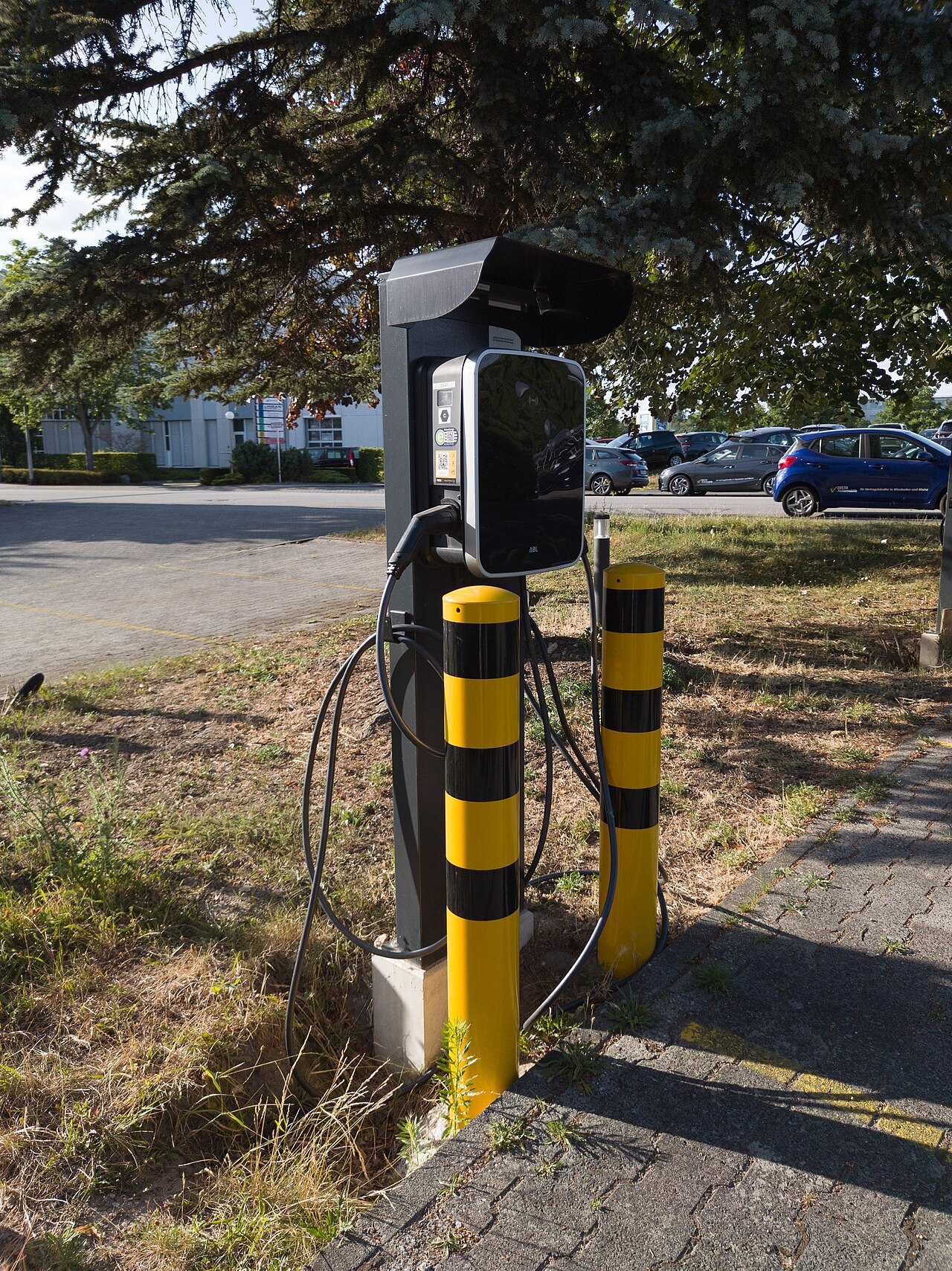
For charging, the scope is wider than a few depot plugs. The state release lists Level 2 and DC fast charging, shoreside charging, and grid upgrades. It also lists on-site solar and battery storage planned at the Illinois International Port District in Chicago.
The Four Sites
The state names four places where procurement is underway:
- Illinois International Port District (IIPD), Chicago. This is the only site where the state release mentions planned solar and battery storage.
- Rock Island County Metropolitan Mass Transit District (MetroLINK). According to Baird Maritime's Nov. 19 report, this is the site where the Channel Cat passenger ferry on the Mississippi is being electrified and expanded.
- Kaskaskia Regional Port District.
- Shawneetown Regional Port District.
The equipment list in the state release covers battery-electric forklifts, reach stackers, material handlers, switcher locomotives, a passenger ferry and fleet vehicles. None of the sources give a dollar split by site, a unit count for each equipment type, or charger counts and power ratings. This article doesn't estimate them.
The Ferry: A Fourth Boat and a Fifth Dock
The most concrete timeline in the coverage is for the Channel Cat. Baird Maritime reports that the Rock Island ferry service will grow from three vessels to four. The new vessel is targeted for service in 2028. The work also includes shoreside charging and a fifth dock in East Moline.
Shoreside charging serves a vessel at a dock rather than a car on the road. Electrek's Nov. 22 coverage describes the program as including "shore power and charging for electrified ships." The sources don't give the ferry's battery size or the charging power at the docks.
How $104 Million Relates to the $95 Million Federal Award
The numbers in the sources don't match exactly, and none of them explain why.
In October 2024, US EPA announced that Illinois EPA had been selected for two Clean Ports grants totaling $95,056,006. Baird Maritime breaks that total down as follows:
- $92,058,008 for deployment, which pays for equipment and infrastructure.
- $2,997,998 for planning. Baird says the planning award covers seven other port districts across 23 riverfront counties and more than 470 river miles.
The 2026 state release calls the program a $104 million investment. That is about $9 million more than the federal selection. The release doesn't say whether the difference is state money, local or partner cost share, or some other source. Electrek also uses the $104 million figure and doesn't explain the gap. ChargerFeed treats $95,056,006 as the documented federal amount. The $104 million figure is the state's program total, and its makeup hasn't been explained.
The scope descriptions also differ. The 2024 federal announcement listed battery-electric drayage trucks, cargo handling equipment, hydrogen and battery-electric charging infrastructure, and an emissions inventory. The 2026 state release focuses on cargo handling equipment, switcher locomotives, the ferry, fleet vehicles and battery-electric charging. The available sources don't say whether drayage trucks or hydrogen infrastructure are still in the deployment plan. They also don't say whether those items fall in a later phase.
Where Things Stand
As of Nov. 22, 2026, here is how each part of the program is described in the sources:
- Funded: US EPA selected Illinois EPA for $95,056,006 in October 2024.
- In procurement: equipment and infrastructure at the four named sites, as of the state's Nov. 17, 2026 announcement.
- Planned: solar and battery storage at IIPD in Chicago, and the fourth Channel Cat vessel, targeted for 2028 service with a new East Moline dock.
- Operating: the sources don't describe any equipment or chargers bought under this program as in service yet.
The state release includes statements from Gov. JB Pritzker and Illinois EPA Director James Jennings. The announcement is mainly about procurement starting, not about equipment going into service.
What It Means for Drivers
For most EV drivers, the short answer is that the sources describe no new public charging.
The Level 2 and DC fast chargers in this program are listed alongside port equipment and fleet vehicles. None of the sources say any of them will be open to the public. Based on what has been published, expect them to be working infrastructure inside port and transit sites, used by the forklifts, reach stackers, material handlers, locomotives and fleet vehicles the program is buying. Until Illinois EPA or the port districts publish site plans that say otherwise, don't count these chargers as public charging in Chicago, the Quad Cities, or southern Illinois.
The most visible change for the public is the Channel Cat. Baird Maritime reports a fourth vessel and a fifth dock in East Moline, with 2028 as the target. Riders on the Mississippi crossing, not drivers, are the ones most likely to notice. Any fares, schedules or route details will come from the operator closer to launch. None of the sources give them.
For fleet and depot operators, the program shows what electrifying a site involves in practice: charging hardware, grid upgrades and, at one site, solar plus storage, all bought together with the vehicles. Anyone planning a similar project at their own facility should work with their utility and a licensed electrician, and follow the equipment manufacturer's installation instructions. The sources don't give pricing for any of the equipment or chargers.
For utilities and state staff, the planning award may matter more over time. Baird reports that it covers seven more port districts across 23 riverfront counties and more than 470 river miles. Planning money doesn't build anything, but it identifies where the next round of grid and charging work could go.
Sources
- Clean Ports Program Invests $104 Million to Deploy Advanced Equipment at Local Ports (State of Illinois, Nov. 17, 2026)
- EPA Announces More Than $95 Million in Clean Ports Investments to Illinois Environmental Protection Agency (US EPA, October 2024)
- Illinois begins electric ferry procurement, port upgrades under $104m programme (Baird Maritime, Nov. 19, 2026)
- From equipment to ferries to locomotives, Illinois ports are getting a ZEV makeover (Electrek, Nov. 22, 2026)
