
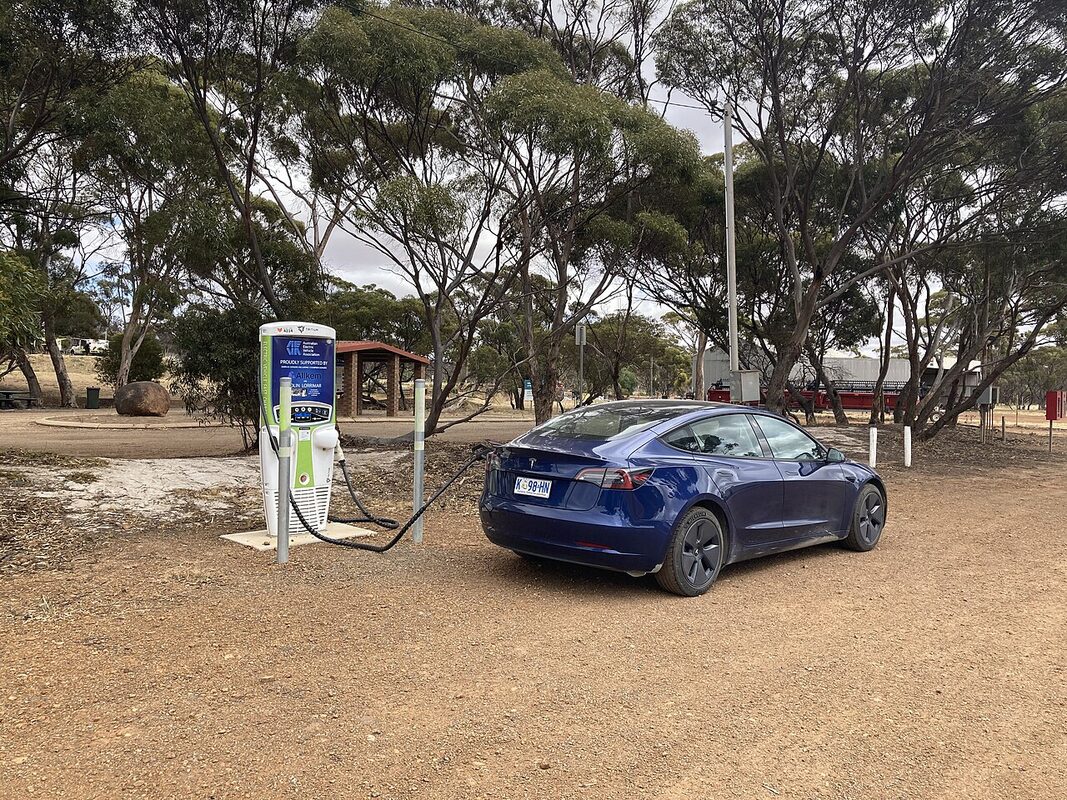
Australia's energy regulator has cleared a regional New South Wales distribution network to do something its rules normally forbid: own public EV chargers. According to EV Infrastructure News (November 22, 2026), the Australian Energy Regulator (AER) announced on November 19 that it had granted Essential Energy a ring-fencing waiver. The waiver lets the network own, install, maintain and lease 300 kerbside chargers built into composite streetlight columns, subject to six conditions.
The headline numbers are 300 chargers rated at 7 kW each, and an ARENA grant of about AU$2.3 million toward a project that one independent outlet puts at AU$6.01 million in total. Under the waiver, the cost will not be recovered through electricity bills. Neither source reports any of these chargers as installed or operating as of November 23, 2026. This is an approved, funded trial, not a working network.
What exactly was approved?
Ring-fencing rules keep a regulated monopoly network, the business that owns the poles and wires, separate from competitive services such as public EV charging. Without them, a network could in principle use its regulated position to favour its own chargers over rivals. Essential Energy needed a specific exemption before it could take on the ownership role.
The AER's own waiver page, read through a Wayback Machine snapshot dated July 14, 2026, sets out the application. The AER received it on April 20, 2026. It sought an exemption from clauses 3.1(b) and 4.2 of the Ring-fencing Guideline (electricity distribution) so Essential Energy could install, maintain and lease 300 kerbside chargers housed in a recessed charging port in composite streetlight and distribution poles. The page set out a limited role for the network: owning, installing, maintaining and leasing the in-pole hardware, with its own staff doing maintenance. Charge point operators (CPOs) would handle pricing, billing and customer engagement.
That snapshot was taken during consultation, before any decision, so it does not record the outcome. ChargerFeed has not read the decision document itself. The grant, the six conditions and the expiry date reported below all come from EV Infrastructure News.
How long does the waiver last?
The end date is one detail to watch. Essential Energy's application, as described on the AER page in July, asked for the waiver to run until June 30, 2033. EV Infrastructure News reports that the waiver as granted runs until October 2029, more than three and a half years shorter. ChargerFeed has not checked the October 2029 date against the AER decision itself.
EV Infrastructure News reports three options at expiry. Essential Energy can apply for a new waiver, offer working chargers to competing providers, or remove or disable them.
The conditions
EV Infrastructure News says the waiver carries six conditions. It describes these four reporting and transparency requirements:
- A public register of each charger site, showing its location, the operator, charging capacity and parking.
- A summary of the tender process and outcomes, with the lease fee structure for each site, published within a month of the tender.
- A map of suitable sites for embedded chargers, showing which have been leased.
- An annual report by April 30 on the chargers' financial performance and technical measures, including energy delivered, faults and maintenance response times.
The trade report also quotes AER board member Jarrod Ball, who said the regulator weighed stakeholder feedback and the potential benefits and risks before granting the waiver. He said the trial would bring more chargers to regional towns and test demand without adding to electricity bills.
The reporting requirements matter beyond this one trial. According to EV Infrastructure News, the AER described the streetlight-column charger as a new technology for Australia, and said the published map will help the industry identify where to install its own chargers. Annual figures on energy delivered, faults and repair times would give other networks, councils and regulators performance data to weigh before trying the same approach.
Where the money comes from
The waiver covers one part of Essential Energy's larger Plug and Play program. The utility's project page (last updated July 2, 2026) describes two streams:
- Stream 1: charge point operators connect up to 1,000 new public EV chargers to existing power poles. Zecar (March 19, 2026) describes these as existing wooden poles prepared so CPOs can connect their own charging hardware.
- Stream 2: 300 composite streetlight columns with integrated 7 kW chargers. Zecar says this stream needed the waiver because Essential Energy would own and maintain the hardware.
Essential Energy says the combined program would mean "almost double the number of chargers currently available across our footprint." Zecar describes the total as up to 1,300 kerbside chargers across regional NSW. According to EV Infrastructure News, Essential Energy's network covers about 95% of NSW by land area.
On funding, Zecar reports AU$2.33 million from the Australian Renewable Energy Agency (ARENA) under its Driving the Nation Program, against a total project cost of AU$6.01 million. EV Infrastructure News gives the ARENA grant as AU$2.3 million (US$1.6 million) and says the infrastructure is funded by ARENA and Essential Energy, not through consumers' bills. Neither source breaks down Essential Energy's share. The two grant figures differ only by rounding, and the totals are as reported by those outlets, not taken from ARENA's own records.
Timeline so far
- March 19, 2026: Zecar reports on the Plug and Play program and ARENA funding.
- April 20, 2026: Essential Energy's Stream 2 waiver application is received by the AER.
- June 3 to July 14, 2026: AER consultation, according to Essential Energy's project page. The AER page lists a stakeholder workshop on June 23, 2026.
- November 19, 2026: AER announces the waiver is granted, per EV Infrastructure News.
- Next: CPO tender, then installation. Neither source gives a date.
- October 2029: reported waiver expiry.
What It Means for Drivers
Nothing changes at the kerb yet. As of November 23, 2026, the sources describe the 300 streetlight chargers as approved and funded, with a CPO tender still ahead, and none reports a site list. The public register required by the waiver should eventually show where each charger is, who runs it, its capacity and the parking arrangements.
When the chargers do arrive, drivers will deal with a charge point operator, not Essential Energy. Under the arrangement described on the AER page, charge point operators provide pricing, billing and customer engagement, while Essential Energy owns and maintains the hardware. EV Infrastructure News describes the units as white-labelled, so drivers will most likely see the operator's branding, not the utility's. No source has published a per-kWh or per-session price, and none can exist until operators are selected.
Expect slow charging. Zecar describes the 7 kW units as destination chargers, which suit longer stops or overnight kerbside charging for people without off-street parking, rather than quick top-ups on a highway trip. Under the reported waiver terms, the trial runs until October 2029. After that the chargers could continue under a new waiver, pass to competing providers, or be removed or disabled.
Site hosts and councils interested in the Stream 1 pole-mounted option should note that it involves operator-supplied equipment connected to Essential Energy's poles. Any connection or installation work must be done by licensed electricians and accredited providers following the network's requirements and the manufacturer's instructions.
Sources
- AER grants Essential Energy waiver to trial 300 kerbside EV chargers in regional Australia (EV Infrastructure News, Nov 22, 2026)
- Plug and Play (Essential Energy engagement page, updated July 2, 2026)
- Essential Energy – Ring-fencing waiver – Kerbside EV charging infrastructure (Australian Energy Regulator, Wayback snapshot July 14, 2026)
- Essential Energy's Plug and Play Program Targets Regional EV Charging Gap with 1,300 kerbside chargers (Zecar, Mar 19, 2026)
