
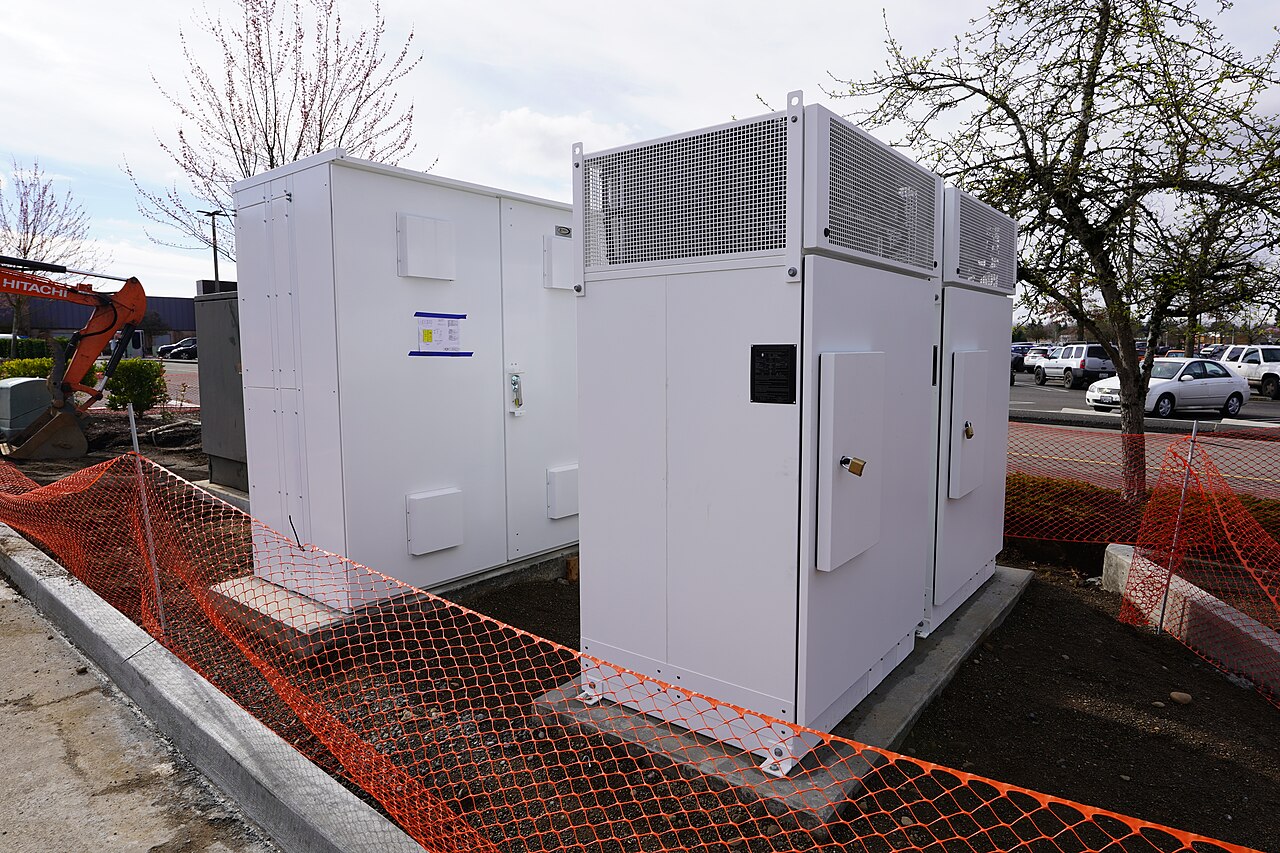
New Jersey's environmental regulator is paying for a new electric car-share network in the state's northeast corner. On Nov. 9, 2026, Envoy and the Los Angeles Cleantech Incubator (LACI) announced an initiative backed by an $8.5 million grant from the New Jersey Department of Environmental Protection (NJDEP) eMobility Grant Program. The plan is to place up to 30 shared electric vehicles in cities across Hudson and Bergen counties. Residents will be able to rent them by the hour or by the day.
The announcement, datelined Jersey City, says deployments are "expected to begin in the coming weeks." As of Nov. 9 the program is funded and announced but not yet running. The companies have not said how many vehicles will arrive in the first wave, and the host sites have not been finalized.
The Deal at a Glance
- Funding: $8.5 million, NJDEP eMobility Grant Program
- Grant recipient: LACI
- Operator: Envoy, which LACI engaged to develop and operate the service
- Fleet: up to 30 EVs (a ceiling, not a confirmed count)
- Geography: cities in Hudson and Bergen counties; specific municipalities not listed in the release
- Rental model: hourly or daily
- Status (Nov. 9, 2026): funded; sites under evaluation; first deployments expected within weeks
Who Is Behind It
The two partners have different jobs. LACI is the grant recipient, which makes it the party accountable to NJDEP for the money. Envoy is the contractor that develops and operates the car-share service on the ground. The release calls the New Jersey project a key project in LACI's City Climate Innovation Challenge.
The partnership has worked together before, but only in California. According to the release, Envoy and LACI previously ran community car-sharing pilots in two Los Angeles neighborhoods, Rancho San Pedro and Pacoima. New Jersey is the partnership's first expansion outside California.
The release describes Envoy as a provider of on-site electric vehicle car-sharing services and a wholly owned subsidiary of CID HoldCo, Inc., which does business as Dot Ai (Nasdaq: DAIC).
The release includes statements from Envoy President Drew Hopkins, LACI President and CEO Matt Petersen, and Robin Heston-Murphy, chief of NJDEP's Bureau of Mobile Services as the release styles the title.
What the eMobility Program Funds
The U.S. Department of Energy's Alternative Fuels Data Center (AFDC) lists the eMobility Grant Program among New Jersey's state incentives. According to that entry, NJDEP administers the program to increase electric mobility solutions including carshare, rideshare, ride-hailing, fixed-route transit, microtransit and other e-mobility services for residents of underserved areas. Eligible projects include EVs and EV chargers, and priority goes to projects in overburdened communities.
That scope helps explain where the Envoy-LACI sites may go. The release says the partners are evaluating multiple potential sites, including affordable housing communities and market-rate residential properties, and are still vetting more. Neither the release nor the AFDC entry says how the $8.5 million will be divided among vehicles, charging equipment, site work and operations. The release speaks of expanding charging in frontline communities but does not say how many chargers will be installed or whether the program uses new or existing ones.
How It Compares to New Jersey's Earlier Car-Share Awards
New Jersey has funded electric shared mobility before. In spring 2023, NJDEP, the New Jersey Board of Public Utilities (NJBPU) and the New Jersey Economic Development Authority (NJEDA) announced two awards:
- Zipcar, March 30, 2023: $1,792,000 for electric car sharing in overburdened communities. Zipcar proposed 16 vehicles at 8 locations and estimated 3,000 to 5,000 trips a year.
- Blink Charging, April 13, 2023: $7 million in Regional Greenhouse Gas Initiative (RGGI) auction proceeds to bring electric ride-sharing to New Jersey communities that lack access to reliable transportation. Blink said the award was part of $70 million in RGGI auction proceeds awards. Blink's release describes its car-sharing business as Blink Mobility LLC; it does not mention Envoy.
A rough division shows how different the scale of these grants is. The new award works out to about $283,000 per vehicle if the full 30-car fleet is deployed ($8.5 million divided by 30). Zipcar's 2023 grant works out to about $112,000 per proposed vehicle ($1,792,000 divided by 16). Treat that comparison with caution. Grants under these programs can pay for chargers, site preparation, outreach and operations as well as the cars themselves, and neither announcement gives a cost breakdown. "Up to 30" is a ceiling rather than a commitment, and a smaller fleet would raise the per-vehicle figure.
The sources also don't say whether the new program is related to the 2023 Blink award, or what happened to that earlier project. ChargerFeed treats them as separate awards.
What It Means for Drivers
Who can use it: The program is aimed at residents of the participating Hudson and Bergen County cities. The release frames the effort around overburdened communities, and the eMobility program gives those communities priority. Vehicles are expected at residential sites, including affordable housing and market-rate residential properties. The release doesn't say whether non-residents of a host property can book a car.
How it works: According to the release, residents get access to EVs by the hour or day. As of Nov. 9, 2026, the release does not list hourly or daily rates, membership fees, mileage limits or included charging. Check the operator's published pricing once the service launches.
When: The companies expect deployments to begin in the coming weeks. Sites are still being vetted, so the exact addresses and municipalities have not been announced.
Charging: The program can pay for EV chargers, and the release mentions expanding charging in frontline communities, but the sources don't say how the shared cars will be charged or whether any chargers at host sites will be open to the public. Until the operator says otherwise, assume any on-site charging serves the car-share fleet.
For site hosts: The release invites hotels, workplaces and mobility investors across New Jersey to consider joining the program through Envoy's nomination page, and says the partners are still choosing locations. Any charger installation at a host site should be handled by a licensed electrician, following the equipment manufacturer's instructions and local permitting requirements.
What to Watch
- The final list of host municipalities and properties
- How many of the "up to 30" vehicles go into service, and when
- Published rental rates and any reduced-fare or income-qualified pricing
- Whether new charging hardware is installed, and who can use it
- Usage figures, which could be set against the 3,000 to 5,000 annual trips Zipcar projected in its 2023 proposal
Sources
- Envoy and LACI Collaborate to Bring Electric Car Sharing Across New Jersey Through $8.5 Million NJDEP-Funded Initiative (GlobeNewswire release, Nov. 9, 2026, via mirror)
- Electric Vehicle (EV) and EV Charger Grant Program, New Jersey (U.S. DOE Alternative Fuels Data Center)
- Blink Charging Awarded $7 Million to Implement New Ride Share Service in New Jersey (Blink release, April 13, 2023)
- Zipcar Awarded $1.7M Grant to Bring EVs to Overburdened Communities in New Jersey (Zipcar, March 30, 2023)
