
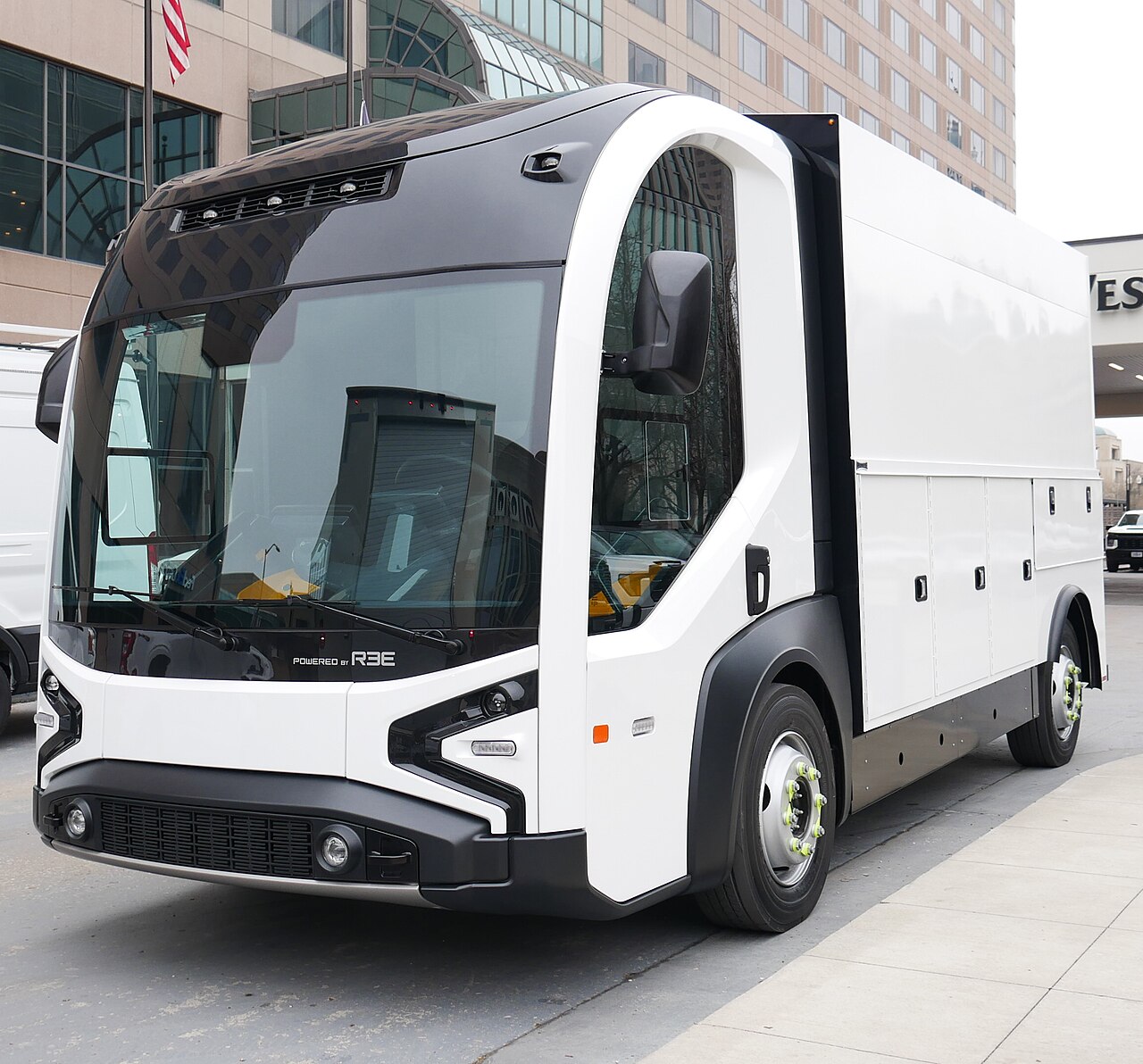
The Illinois Environmental Protection Agency has started a Clean Trucks Program with two federally funded parts. The first is a $3 million Clean Fleet and Freight Concierge Service, meant to help small and medium commercial fleets work out how to electrify. The second is $935,220 in grant money to replace diesel trucks with battery-electric ones. Regional coverage of the agency's announcement ran from Nov. 3 to Nov. 4, 2026.
Both parts are at an early stage. For the concierge, Illinois EPA says it is seeking qualified firms to run the service. For the truck money, the Herald-Whig reports that a Notice of Funding Opportunity (NOFO) has been posted on the Driving a Cleaner Illinois webpage. The coverage we read mentions no awards.
The Two Pieces, by the Numbers
- $3,000,000: Clean Fleet and Freight Concierge Service. The money comes from the U.S. EPA Climate Pollution Reduction Grant (CPRG) program.
- $935,220: federal Diesel Emissions Reduction Act (DERA) funding, offered through a NOFO.
- Up to 45%: the share of the cost of replacing an eligible diesel Class 5-8 truck with a new battery-electric model that the DERA grant can cover.
- Class 5-8: medium- and heavy-duty trucks. According to the Quincy Herald-Whig's coverage, this range starts at about 16,000 lb gross vehicle weight.
The Center Square, as republished by Brushwood Media Network, rounded the second figure to "more than $935,000." The Herald-Whig, which ran an Illinois EPA staff report, gave the exact $935,220.
What the Concierge Service Is Supposed to Do
The larger of the two pieces is not a grant to buy vehicles or chargers. It is a contract for advisory and coordination services. According to The Center Square's account, Illinois EPA wants firms that can speed up electrification, coordinate clean transportation planning, and support small and medium fleets in the state's northern and southern regions.
The agency defines those regions by grid operator rather than by county lines. The Herald-Whig reports that the northern and southern regions are the PJM and MISO service areas, the two regional transmission organizations that cover Illinois. This matters for the charging side. Fleets planning depot charging deal with different utilities, interconnection processes and rate structures depending on where they sit. Splitting the service by grid territory suggests the agency expects advisers to work within those systems. The sources do not say how many firms will be hired or whether each region gets its own contractor.
The funding source also shapes the service's scope. The Herald-Whig reports that Illinois received its Climate Pollution Reduction Grant money in 2024 to support deployment of zero-emission commercial vehicles and charging infrastructure. So the concierge sits within a federal grant that explicitly covers chargers. However, the announcement as reported describes the service as planning and fleet support. It does not describe it as a charger construction program.
Illinois EPA Director James Jennings described the concierge as individualized help for fleet operators who want to transition but don't know where to start, according to the agency statement carried by the Herald-Whig.
The DERA Truck Replacement Grants
The second piece is more conventional. Under the DERA NOFO, eligible fleet operators can apply for funding that covers up to 45% of the cost of replacing an eligible diesel truck in Classes 5 through 8 with a new battery-electric model. The coverage does not say who pays the remainder.
The coverage does not spell out eligibility rules such as model year, mileage or scrappage requirements, or the NOFO's application deadline. Fleets thinking of applying should read the NOFO itself. Our sources also do not say whether the 45% applies to charging equipment bought alongside the truck. Based on what was reported, the covered cost is the truck replacement.
For scale: because the grant covers up to 45% of each truck's cost, $935,220 can support a limited number of heavy trucks. How many depends on vehicle prices, which the sources do not give. ChargerFeed is not estimating a truck count.
Where This Fits in Driving a Cleaner Illinois
The Clean Trucks Program falls under Driving a Cleaner Illinois, the state's umbrella grant program for transportation emissions. As of Nov. 7, 2026, the Illinois EPA program page describes it as implementing funding from three sources: the state's Climate and Equitable Jobs Act (CEJA), the Volkswagen Environmental Mitigation Trust, and U.S. EPA DERA.
The same page lists the current status of two other funding rounds:
- VW Round 9, Electric Trucks: open, and listed as accepting applications until funding is depleted.
- CEJA EV Charging Round 3: closed. The page says it is no longer accepting applications because all available funding has been requested.
Note on sourcing: when ChargerFeed read the Driving a Cleaner Illinois page on Nov. 7, its list of current funding opportunities did not yet show the new Clean Trucks Program or the DERA NOFO that the Herald-Whig says is posted there. We could not reach the agency's press release directly. The program details in this article come from news outlets reproducing the Illinois EPA statement. We will update this story if the agency's own materials differ.
What It Means for Drivers
No new public chargers come from this announcement. Neither the concierge contract nor the DERA truck grants, as reported, pay for public charging stations. Both are aimed at commercial fleets, mainly small and medium operators running Class 5-8 trucks. Any charging they lead to is most likely to be fleet or depot charging, but the sources do not say where or when.
Public charging built with state money is tracked on a map. The Illinois EPA program page has an interactive map of more than 450 public EV charging stations supported by the state, as of Nov. 7, 2026. The map covers stations from both Driving a Cleaner Illinois and the Illinois Department of Transportation's NEVI program. Drivers can filter it by Level 2 or DC fast charging. Colors show status:
- Green dots: stations that are online.
- Red dots: stations that have been awarded funding but are not yet online.
The 450-plus total therefore includes stations that are funded but not yet operating. Before a trip, a driver should check that a station is green rather than red.
The latest round of state charging grants is closed. CEJA EV Charging Round 3 has stopped accepting applications because all its funding was requested. That closure does not mean more chargers have opened. Stations funded by state programs are shown on the map as red dots until they come online.
For fleet drivers and operators: companies weighing electric medium- or heavy-duty trucks now have two state-administered options for vehicle money. The DERA NOFO covers up to 45% of a Class 5-8 replacement, and VW Round 9 is open for electric trucks until its funds run out. Once a contractor is selected, the concierge service is meant to help with planning. Any charger installation at a depot or site should be designed and carried out by a licensed electrician following the equipment manufacturer's instructions, together with the local utility.
What to Watch
- Concierge contract award: which firm or firms Illinois EPA selects for the PJM and MISO regions, and when the service starts taking fleets.
- DERA awards: how many trucks the $935,220 ends up funding, and which fleets receive it.
- Program page update: whether Driving a Cleaner Illinois adds the Clean Trucks Program to its list of current funding opportunities.
- Map changes: red dots turning green as CEJA- and NEVI-funded stations come online.
Sources
- Illinois EPA launches Clean Trucks Program to help fleets switch to electric (Quincy Herald-Whig, Illinois EPA staff report, Nov. 4, 2026)
- Illinois Quick Hits: State EPA announces clean trucks program (The Center Square via Brushwood Media Network)
- Driving a Cleaner Illinois (Illinois EPA program page, read Nov. 7, 2026)
