
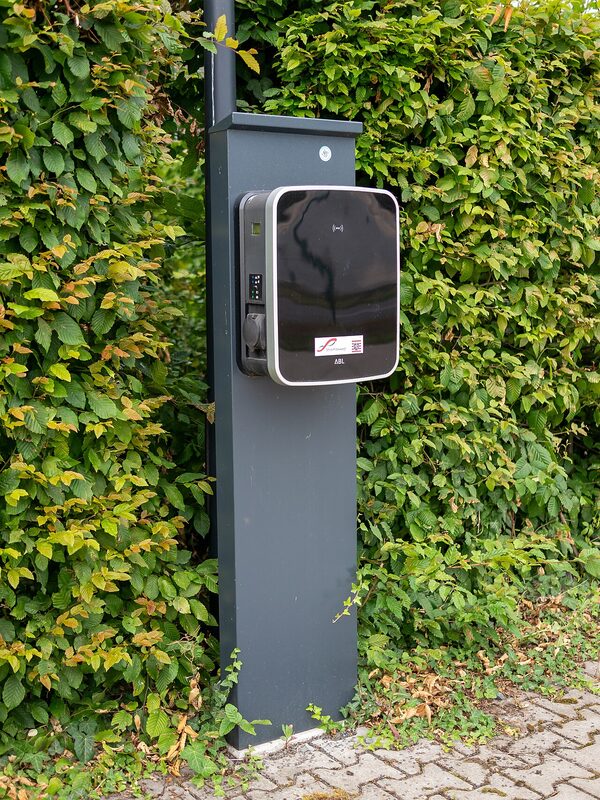
Enphase Energy (NASDAQ: ENPH) said on Oct. 21, 2026 that its IQ EV Charger 2 already supports ISO 15118-20. Under the EU's Alternative Fuels Infrastructure Regulation (AFIR), that communication protocol becomes mandatory on Jan. 1, 2027. According to the company's release, the charger has supported the standard since launch, no SKU, part-number or inventory changes are needed, and chargers already installed need no action.
That is a clear message for installers and distributors with about ten weeks left before the deadline. It is also a manufacturer's self-declaration. Enphase is describing its own product, and the release does not cite third-party certification. The industry's main standards consortium for charging communication, CharIN, has also said in writing that harmonized testing frameworks and certification schemes for ISO 15118-20 are lacking. This article covers both points, because the gap between them matters to anyone buying hardware for EU sites.
What Enphase actually claimed
The release, distributed through GlobeNewswire, makes four specific claims:
- Protocol support: IQ EV Charger 2 supports ISO 15118-20 as AFIR requires from Jan. 1, 2027, and has supported it since the product launched.
- No hardware or catalog change: no part number changes and no inventory adjustments, so distributors and installers can keep offering it "as is."
- Installed base: chargers already in the field need no action.
- Future interoperability: Enphase plans to keep releasing over-the-air firmware updates to expand vehicle compatibility.
Enphase points to its self-declaration of compliance with AFIR in the Documentation section of the product pages, in a document titled "ISO 15118-2 / ISO 15118-20 Protocol Support and Testing." Jayant Somani, senior vice president of the digital business unit at Enphase, said the company is inviting automakers to test with it. The release also quotes installers in the Netherlands.
Enphase's own description of the AFIR rule: newly installed or renovated public and private chargers in the EU must support ISO 15118-20. The standard covers secure communication between vehicle and charger, automatic authentication and, where supported by the vehicle and the charging setup, bidirectional charging.
Why "self-declared" matters here
When a manufacturer says its product supports a protocol, that is a statement about the product. It is not an independent finding that the product works with every vehicle on the road. The two usually line up for mature standards with established test programs. CharIN's published material suggests ISO 15118-20 isn't at that stage yet.
CharIN's knowledge base lists a position paper on implementing ISO 15118 under AFIR and Commission Delegated Regulation (EU) 2025/656. According to CharIN, Version 2 of that paper (published Aug. 3, 2026) expands its analysis in five areas:
- ISO 15118-20 readiness
- conformity assessment
- certification gaps
- legacy interoperability
- certificate management
CharIN's listing of the earlier version (April 28, 2026) cites a lack of harmonized testing frameworks and certification schemes. Version 2 recommends a phased and harmonized implementation supported by validated conformance testing and recognized certification schemes.
This does not mean Enphase's claim is wrong. It means CharIN's papers describe gaps in harmonized certification that a buyer could check the claim against. Until those are closed, compliance with the 2027 requirement will rest largely on manufacturer documentation like the Enphase document named above.
The -2 and -20 problem
The Enphase documentation covers both ISO 15118-2 and ISO 15118-20, and that pairing points to a real engineering issue. ISO 15118-2 is the earlier version of the protocol, and many vehicles and chargers already in service use it. ISO 15118-20 is the newer version that AFIR names.
CharIN has published an implementation guide on how the two versions coexist. According to CharIN's listing, the guide addresses interoperability challenges from the coexistence of ISO 15118-2 and ISO 15118-20, including TLS 1.2 and TLS 1.3 configurations, certificate handling, cipher suite selection and protocol negotiation, with the aim of reducing TLS handshake failures. In plain terms, a car and a charger can both "support ISO 15118" and still fail to set up a secure session if they disagree on the encryption handshake. Whether a given charger works across a given mix of vehicles is a matter of testing.
Bidirectional charging is the least mature part. CharIN lists an Interoperability Guide 2.0 for ISO 15118-20 DC bidirectional power transfer in dynamic control mode and marks it "For Development and Testing Purposes only." Enphase's description of the AFIR rule also covers bidirectional charging only "where supported." Readers should not take the Enphase release, or the AFIR requirement itself, to mean that vehicle-to-grid service will be available at a given site on Jan. 1, 2027.
Where testing happens next
Enphase's invitation to automakers fits how interoperability is actually proven. Vehicle makers and charger makers connect their equipment and see what breaks. CharIN runs organized versions of this called Testivals. Its events list includes a CharIN ISO 15118-20 Controller Testival North America 2026 in Sacramento. The listing we read gave no attendee list, and Enphase's release does not say whether it will take part.
What the EU text says, and what we could not verify
The European Commission's Directorate-General for Mobility and Transport describes AFIR as Regulation (EU) 2023/1804, applicable since April 13, 2024. It repealed the earlier Directive 2014/94/EU. The Commission's overview says the regulation includes user-friendliness provisions such as payment options, price transparency and smart recharging.
The Commission page we read did not itself state the Jan. 1, 2027 ISO 15118-20 date. That date and the scope ("newly installed or renovated public and private chargers") come from the Enphase release, and CharIN's papers point to Delegated Regulation (EU) 2025/656. We did not read the EUR-Lex legal text. Readers who need the exact legal wording for procurement or compliance should check the official text themselves.
ChargerFeed has already covered the deadline and industry calls to delay it. This article covers one manufacturer's readiness claim and the certification gap around it. Nothing in the sources read for this article indicates a change to the Jan. 1, 2027 date.
What It Means for Drivers
For drivers in the EU, the sources support only a few firm points:
- What changes, and when: from Jan. 1, 2027, chargers that are newly installed or renovated in the EU, public and private, must support ISO 15118-20, according to Enphase. The protocol covers secure car-to-charger communication, automatic authentication (so charging starts as soon as the car is plugged in) and, where supported by the vehicle and the charging setup, bidirectional charging.
- Existing chargers: as Enphase describes it, the requirement applies to new and renovated installations. Enphase says IQ EV Charger 2 units already installed need no action.
- Your car matters too: features like automatic authentication need support on the vehicle side as well. Enphase says it will keep releasing over-the-air firmware updates to expand vehicle compatibility, and it has invited automakers to test with it. Whether a specific car works smoothly with a specific charger is still settled vehicle by vehicle.
- Bidirectional charging is not a given: CharIN's DC bidirectional guide is marked for development and testing only, and the requirement covers bidirectional charging only where supported.
- Home installs: if you plan to install or replace a home charger, use a licensed electrician and follow the manufacturer's installation instructions. A protocol requirement does not change the electrical work.
For site hosts and installers, the practical takeaway is narrower. Enphase says no stock swap is needed for this product. A manufacturer's protocol-support document is not the same as a harmonized certification, though, and CharIN's papers point to gaps in certification schemes. Asking vendors for their test documentation and for evidence of real-world vehicle interoperability testing is a reasonable step before the 2027 deadline.
Sources
- Enphase Energy Highlights IQ EV Charger 2 Is Ready As Is for EU AFIR ISO 15118-20 Charging Standard (GlobeNewswire release, Oct. 21, 2026, via mirror)
- CharIN Knowledge Base: position papers and implementation guides (charin.global)
- Alternative fuels infrastructure (European Commission, DG Mobility and Transport)
